Notification rules

Who has to tell the neighbours,
how far out and how early.

Plain English rules for every state and territory. Every rule links to the official source and shows the date we last checked it.

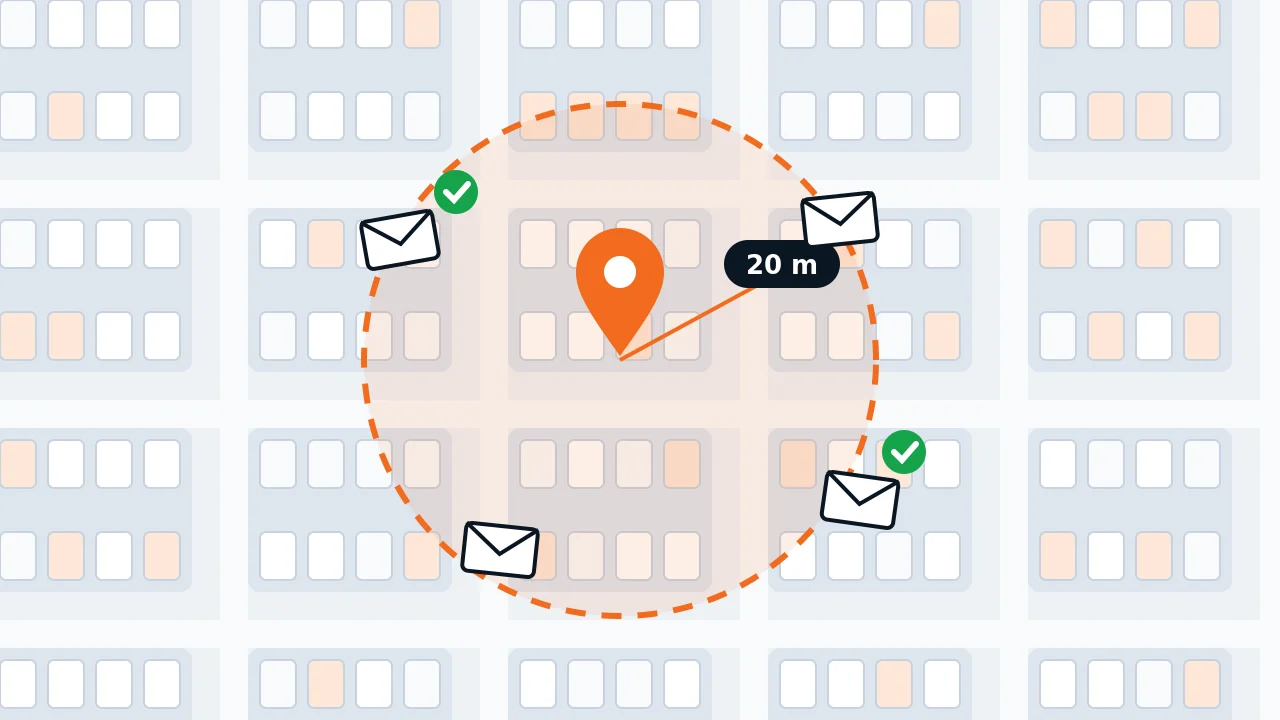
Street map with a dashed 20 metre circle around a pinned site and notices going to every home inside it

Pick your state

The rules where your job is.

NSW

New South Wales

One statewide plan since 1 September 2026, plus 16 councils.

Who notifies
Council for DAs. You, for complying development
Distance
20 m from the boundary for CDC work
Notice
7 days before CDC work (2 days regional)

Read the NSW rules →

VIC

Victoria

Section 52 advertising, protection work notices and 8 councils.

Who notifies
Council, or you when council says so
Distance
Adjoining owners and occupiers
Notice
At least 14 days

Read the VIC rules →

QLD

Queensland

Letters, an A0 sign and a public notice, step by step.

Who notifies
You, the applicant
Distance
Owners of every adjoining lot
Notice
At least 15 business days

Read the QLD rules →

SA

South Australia

Notified development and the 20 business day building notice.

Who notifies
Council writes. You put up the sign
Distance
Within 60 metres
Notice
15 business days

Read the SA rules →

WA

Western Australia

Advertising rules and the BA20 and BA20A consent notices.

Who notifies
Council advertises
Distance
Within 200 m for complex applications
Notice
14 or 28 days

Read the WA rules →

TAS

Tasmania

Discretionary applications and protection work notices.

Who notifies
Council, unless it asks you to
Distance
All adjoining properties
Notice
14 days

Read the TAS rules →

ACT

Australian Capital Territory

DA notification and the builder sign rules.

Who notifies
The Territory Planning Authority
Distance
Adjoining leases, across roads too
Notice
15 working days

Read the ACT rules →

NT

Northern Territory

Public and limited notice, and protection works.

Who notifies
You put up the sign
Distance
Public notice; letters for limited notice
Notice
14 or 28 days

Read the NT rules →

Doing it right

Three steps that stop the complaints.

1

Check who notifies

Council, certifier or you. Your consent conditions have the final say, so read them first.

2

Get every address

Pin the site and set the distance. NoticeRadius lists every letterbox inside it, units included.

3

Deliver and keep a record

Hand deliver in walk order and keep the dated list. If anyone says they were not told, you can show them.

At a glance

Side by side.

Who notifiesWho is toldMinimum period
NSWCouncil (DA). You, for CDC workSet by council. 20 m from the boundary for CDC work14 days (7 days notice before CDC work)
VICCouncil, or you when council says soAdjoining owners and occupiers14 days
QLDYou, the applicantOwners of adjoining lots15 business days
SACouncil writes, you put up the signWithin 60 metres15 business days
WACouncil (you may pay and put up signs)Within 200 m for complex applications14 days, 28 for complex
TASCouncil, unless it asks you toAll adjoining properties14 days
ACTTerritory Planning AuthorityAdjoining leases, including across a road15 working days
NTAuthority; you put up the signPublic notice; adjoining owners for limited notice14 days, 28 for large; 7 for limited

Rules change. Each state page shows the date we last checked and links to the source. Your consent conditions and your certifier have the final say for your job.

Know the distance? Get every address.

Pin the site, set the radius and get every letterbox inside it as a walk list, with a signed delivery record and printable notices when the job needs them. The count is free.

Build a list